



After a stressful day or event, taking time to wind down and practice self-care or stress management strategies is essential to help bring yourself back into balance.
Active
Walking, running, yoga, dancing, gym, weights, team sports, gardening
Passive
Journaling, breathing exercises, colouring in, listening to music, guided imagery, reading
What works for you? If you tend to always do one type, try another for a change. For example, if you always run to clear your mind, try meditation and see if works for you as well.
Sometimes different stresses require a different approach. There is no one response to stress management that will work for everyone, so trying different things may be just the strategy for you.
It’s easy to get carried away in our busy lifestyles, with a majority of us rarely setting time out for ourselves to slow down, get enough rest, exercise and eat a nutritious diet. Prioritising time to practice self-care and support yourself during stressful times can help to mitigate its negative effects and help you to be more in control of your reactions and emotions.
For stress management strategies at work, click here.
Alternatively, read our article on Resilience in the workplace or check out these 7 free health and wellbeing apps as recommended by our clinicians for more support in managing your stress.
Many of the new tech based EAPs have been making inaccurate claims about traditional EAPs as part of their marketing and promotion.
Read more
Moral injury in the workplace can negatively impact our psychological wellbeing and mental health. Here’s why it matters.
Read more
When choosing how to cultivate wellness in the workplace, it’s never been more important to take an organisation-wide approach. Here’s why.
Read more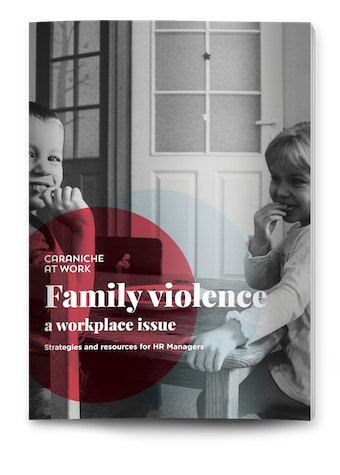
Australian workplaces are waking up to the impact of family violence. Caraniche at Work has developed a free report for HR Managers who want to take the lead.